Burma Versus Macau Two Flags: A Visual Tool for Comparative Analysis
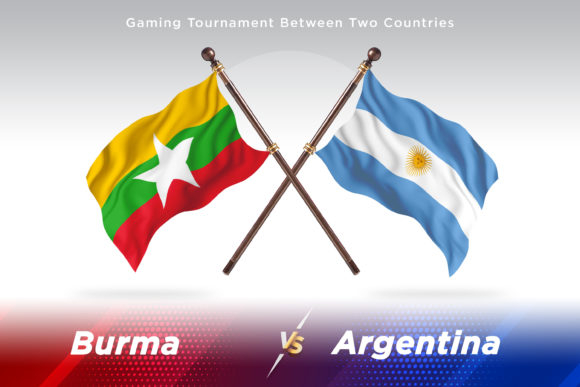
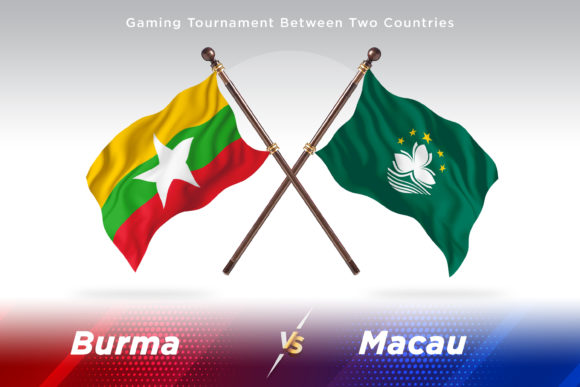
The concept of "Burma Versus Macau Two Flags" is a powerful visual illustration that represents the distinct identities and political statuses of two regions through their official country flags. This design typically features the national flag of Myanmar (commonly known as Burma) alongside the flag of Macau, each rendered in high quality and isolated on its own layer for flexibility. It serves as more than just an artistic representation—it can be a valuable asset in various professional and creative workflows where clear, symbolic comparisons are needed.
Understanding the Concept
At its core, the "Burma Versus Macau Two Flags" illustration emphasizes the differences between these two geographic entities. While both are located in Asia, they represent different cultures, governments, and historical contexts. The flag of Myanmar symbolizes the nation’s sovereignty and independence, whereas the flag of Macau reflects its status as a Special Administrative Region of China under the principle of "one country, two systems."
This kind of visual comparison is particularly useful when discussing geopolitical topics, regional development, cultural identity, or educational content related to Asian history and politics. The design allows users to present this information clearly and effectively without relying solely on text-based explanations.
Use Cases in Different Workflows
Designers, educators, marketers, and analysts can all benefit from integrating the Burma Versus Macau Two Flags into their projects. Here are some practical scenarios:
- Education and Research: Teachers preparing materials on Southeast Asian geography or Chinese administrative regions can use this illustration to simplify complex concepts for students.
- Business Presentations: When analyzing market dynamics in Asia, using such a visual helps stakeholders quickly grasp regional distinctions and potential opportunities.
- Creative Projects: Bloggers, YouTubers, and content creators working on videos or articles about international relations can incorporate this image to enhance visual storytelling.
- Graphic Design Workflows: The layered PSD format makes it easy to modify the flags, adjust positions, or overlay them with other design elements like text, maps, or infographics.
Pre-Project Planning
Before diving into a project involving flags or geopolitics, having access to accurate and editable assets like those found in the Burma Versus Macau Two Flags bundle can save significant time. For example, if you're creating a presentation comparing different regions' economic policies, you can plan your layout by placing the flags in context early on. This ensures consistency and accuracy from the start.
During Project Execution
During execution, the ability to edit each flag independently via smart objects in Photoshop is invaluable. If you need to change colors to match a brand palette, add shadows for depth, or scale the flags to fit a specific infographic, the organized layers make it simple. Additionally, since the JPEG and PNG files are included, you can export the final composition for web use or print without worrying about resolution issues.
For digital marketing campaigns, especially those targeting audiences in Asia, using the Burma Versus Macau Two Flags in banners, social media posts, or email templates can help reinforce regional messaging. Marketers can easily swap out flags for different markets or combine them with localized content for targeted outreach.
Post-Project Integration
After completing a project, the Burma Versus Macau Two Flags can still serve a purpose. Archiving these assets with proper naming conventions—such as "Myanmar_Flag_2024" or "Macau_SAR_Flag_Edit"—ensures they remain usable for future reference or similar tasks. Educators may repurpose the images in subsequent lessons, while designers might reuse them in new layouts requiring quick adjustments.
Integration with Other Tools and Resources
The Burma Versus Macau Two Flags works well with a variety of design tools and platforms. Since it's provided in PSD format, it integrates seamlessly with Adobe Creative Cloud applications like Illustrator or InDesign. Users who prefer Figma or Canva can import the JPEG or PNG versions for editing within those environments.
For developers building interactive dashboards or websites, embedding the PNG version maintains transparency and clarity across different backgrounds. Meanwhile, SEO professionals might use the JPEG version for optimized loading times on content-heavy pages discussing comparative studies or global affairs.
When used in conjunction with other assets—like maps, data charts, or timelines—the flags become part of a larger narrative. For instance, pairing the flags with GDP growth statistics or population demographics enhances the viewer's understanding of how different regions function within a shared continent.
Practical Implementation Tips
To get the most out of the Burma Versus Macau Two Flags in your workflow, consider the following best practices:
- Organize Layers Early: Before making edits, rename each flag layer with clear labels. This prevents confusion during revisions and makes it easier for others to collaborate.
- Match Branding Guidelines: Adjust colors or effects to align with your company’s style guide. Since the flags are in smart object format, changes won’t compromise the original design integrity.
- Use Consistent Scaling: Ensure both flags are proportionally scaled unless you intend to emphasize one over the other. Inconsistent sizing can distort the intended message.
- Optimize for Platform Use: Export JPEGs for web and PNGs for print or transparent backgrounds. Always check the file size and resolution to maintain quality without slowing down performance.
- Consider Cultural Sensitivity: When using these flags in public-facing content, ensure that the context is respectful and factual. Misrepresentation can lead to unintended consequences, especially in politically sensitive discussions.
Workflow Example: Creating a Regional Comparison Infographic
Imagine you’re tasked with creating an infographic that compares economic indicators between countries and special administrative regions in Asia. Here’s how you might integrate the Burma Versus Macau Two Flags into your process:
- Start by importing the PSD into Photoshop and isolating the two flags onto separate layers.
- Resize the flags to fit within your design grid, ensuring they align visually with other elements like charts or icons.
- Add captions or annotations beneath each flag, explaining key points such as population, economy, or governance structure.
- Export the final design as a PNG for use in a PowerPoint presentation or as a JPEG for online publishing.
- Archive the original PSD for future edits or rebranding efforts.
This approach not only streamlines the design process but also ensures that your final product remains adaptable and professional.
Factors to Consider When Using the Flags
Several factors influence how effectively you can use the Burma Versus Macau Two Flags in your work. Here’s a breakdown of considerations for long-term usability and efficiency:
- Preparation: Know your audience and the purpose of the comparison before selecting and positioning the flags. Are you highlighting political structures? Economic partnerships? The answer will shape how you present the flags.
- Compatibility: Confirm that the file formats (PSD, JPEG, PNG) work with your software stack. Smart objects in Photoshop offer advanced editing options, but flat exports may be necessary for simpler platforms.
- Usability: Keep the design clean and uncluttered. Avoid overloading the visual space with too many elements; let the flags speak for themselves.
- Organization: Maintain a structured folder system for storing edited versions and original assets. This makes retrieval faster and reduces errors during updates.
- Efficiency: Use the smart object feature to batch apply filters or styles to multiple flags simultaneously, saving time and effort in repetitive tasks.
- Consistency: If you're using multiple flags from a broader collection, ensure they follow the same formatting rules for alignment, color balance, and typography.
- Quality Control: Always preview the final output at full size to catch any scaling issues or artifacts that may have occurred during editing.
- Long-Term Use: Store the original PSD file in a centralized asset library so it can be accessed and modified in the future without starting from scratch.
Expanding the Flag Collection
If your project requires additional flags beyond Burma and Macau, the resource provider encourages requesting specific country flags. This flexibility is essential for anyone involved in international research, design, or analysis. Whether you're expanding a world map visualization or adding flags to a multi-regional report, being able to source matching-quality assets ensures a cohesive look and feel.
Requesting extra flags should be done early in the planning phase. That way, you can assess compatibility and design impact before moving into production. Some users even build custom flag bundles tailored to their niche industries or target markets, which can streamline future projects significantly.
Conclusion
The Burma Versus Macau Two Flags is more than just an image—it's a strategic design tool that supports clarity, symbolism, and adaptability in a wide range of workflows. From educational materials to business presentations, this illustration helps convey complex ideas in a visually intuitive manner. With its high-resolution format, layered structure, and ease of customization, it’s designed to meet the needs of professionals who value precision and efficiency.
By thoughtfully integrating this asset into your process and maintaining good organizational habits, you can maximize its utility and create compelling, informative visuals that resonate with your audience.