Burma Versus Argentina Two Flags: A Powerful Visual Tool for Global Comparisons
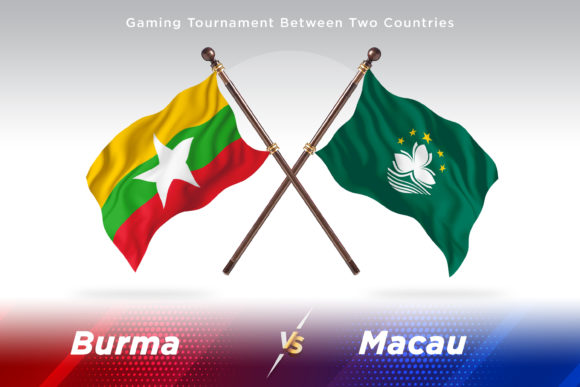
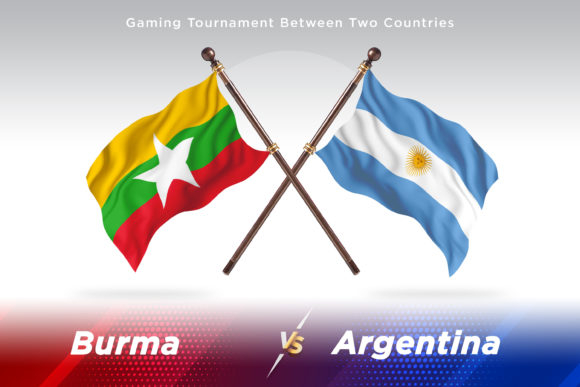
When it comes to representing two countries in a visual format, the Burma Versus Argentina Two Flags concept offers a compelling and professional solution. This illustration showcases the official flags of both nations side by side or in dynamic 3D waving positions, providing an effective way to highlight contrasts, similarities, or cultural themes between them. Whether you're designing for educational, commercial, or creative purposes, this type of flag comparison can be a valuable asset.
What Is Burma Versus Argentina Two Flags?
Burma Versus Argentina Two Flags is a design concept that visually juxtaposes the national flags of Myanmar (Burma) and Argentina. The illustration typically includes each flag isolated on its own layer, often displayed in a high-resolution format such as 4500 x 3000 pixels, with smart object editing capabilities for easy customization. This allows designers to manipulate colors, add text, or integrate the flags into larger compositions without losing quality.
The design may come in various file formats like PSD, JPEG, and PNG, making it versatile for print, web, or digital media use. Each element is clearly labeled, ensuring clarity and ease of navigation within the file structure. For those who need additional flags beyond the initial set, custom additions are possible upon request, broadening the scope of the design for more complex projects.
Challenges Addressed by the Burma Versus Argentina Two Flags Concept
Designers, educators, and marketers often face the challenge of effectively communicating differences or connections between two distinct cultures or regions. Traditional methods may fall short when trying to capture the essence of a country in a single image. By using the Burma Versus Argentina Two Flags illustration, these challenges can be overcome with a clear, symbolic representation that resonates globally.
- Visual Clarity: Ensuring that both flags remain recognizable and properly proportioned in a comparative layout.
- Symbolic Representation: Using flags to represent political, economic, or cultural themes between countries.
- Customization Needs: Adapting the design to fit specific branding or educational requirements while maintaining accuracy and professionalism.
Goals and Use Cases for the Design
This concept serves multiple purposes depending on the user's intent. Some common goals include:
- Creating Awareness: Highlighting international events, trade agreements, or diplomatic relations involving Myanmar and Argentina.
- Comparative Analysis: Supporting presentations or reports that compare different aspects of these two countries, such as geography, economy, or history.
- Branding and Marketing: Incorporating the flags into promotional materials for global campaigns, travel agencies, or cross-cultural initiatives.
- Educational Purposes: Teaching students about flags, their symbolism, and the countries they represent in a visually engaging manner.
Practical Applications and Outcomes
The Burma Versus Argentina Two Flags illustration is not just a static graphic—it’s a flexible tool that can be adapted to numerous scenarios. Here are some practical applications where it can make a real difference:
- Infographics: Use the flags to introduce sections in infographics that discuss topics like trade routes, population demographics, or climate zones between the two countries.
- Presentation Slides: Add the design to slides during business or academic presentations to emphasize international collaboration or contrast.
- Website Banners: Feature the flags in website headers for global companies, event pages, or news articles covering both regions.
- Social Media Content: Create eye-catching posts that celebrate diversity, promote cultural understanding, or highlight geopolitical events involving Myanmar and Argentina.
One example might involve a travel blog comparing the rich heritage of Myanmar with the vibrant culture of Argentina. The Burma Versus Argentina Two Flags design could serve as the focal point of a post introducing readers to the unique traditions and landscapes of both destinations.
How Different Users Can Approach the Topic Differently
Depending on the user's background and needs, the approach to using the Burma Versus Argentina Two Flags illustration will vary:
- Graphic Designers: May focus on the aesthetic appeal of the design, adjusting color schemes or integrating the flags into broader compositions for clients in tourism, politics, or education.
- Teachers and Educators: Could use the flags as a visual aid to teach about geopolitics, history, or cultural studies. The well-organized layers allow for adding annotations or interactive elements.
- Business Professionals: Might incorporate the flags into marketing collateral or presentation decks when discussing international partnerships or market expansion strategies.
- Content Creators: Can leverage the design for social media visuals, YouTube thumbnails, or blog headers to engage audiences interested in global affairs.
For instance, a designer working on a project for a multinational corporation might want to subtly feature the flags in the background of a report to symbolize cooperation between the two countries. In contrast, a teacher might prefer a clean, minimalistic version with space for notes and labels to facilitate classroom learning.
Useful Considerations When Working with the Design
To get the most out of your Burma Versus Argentina Two Flags illustration, keep the following considerations in mind:
- Layer Organization: Take advantage of the well-structured layers to modify individual components without affecting the overall composition.
- File Formats: Choose the appropriate format based on your project—PSD for further editing, JPEG for print, and PNG for transparent backgrounds.
- Cultural Sensitivity: Ensure that the design respects the symbols and meanings associated with each flag. Avoid any alterations that could misrepresent the countries involved.
- Contextual Relevance: Align the use of the flags with the message or theme of your content. A clear context helps avoid confusion and enhances communication.
Additionally, consider how lighting, positioning, and background settings affect the final output. The 3D waving position adds realism, but it should be used appropriately depending on the tone and purpose of the design.
Recommendations for Implementation
Here are some tips for implementing the Burma Versus Argentina Two Flags design effectively:
- Keep It Simple: If the goal is to highlight the flags themselves, avoid cluttering the design with too many elements.
- Match Branding: Adjust colors or typography to align with your brand identity while preserving the integrity of the flags.
- Test Across Platforms: Make sure the design looks good on all devices and screen sizes, especially if it’s intended for online use.
- Seek Customization: Don’t hesitate to ask for additional flags or modifications if your project requires more than what's included in the standard bundle.
A great implementation example would be a business analyst creating a report on emerging markets. The Burma Versus Argentina Two Flags could appear at the top of the document to immediately signal the geographical focus, helping the audience understand the relevance of the data being presented.
Conclusion
The Burma Versus Argentina Two Flags illustration is more than just a design—it’s a bridge between two distinct cultures, offering a visual means to explore and communicate their identities. Whether you’re crafting educational materials, developing a marketing campaign, or preparing a presentation, this resource provides a foundation for impactful storytelling through the universal language of flags.
With its high resolution, layered structure, and adaptability, this concept empowers users to create professional, meaningful visuals that resonate across borders. As global connections continue to grow, tools like the Burma Versus Argentina Two Flags become increasingly essential for anyone looking to convey international perspectives with clarity and creativity.