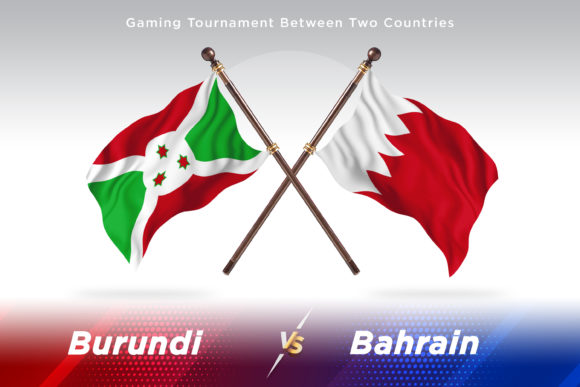
Burundi Versus Malaysia Two Flags – A Powerful Visual Tool for Comparative Design
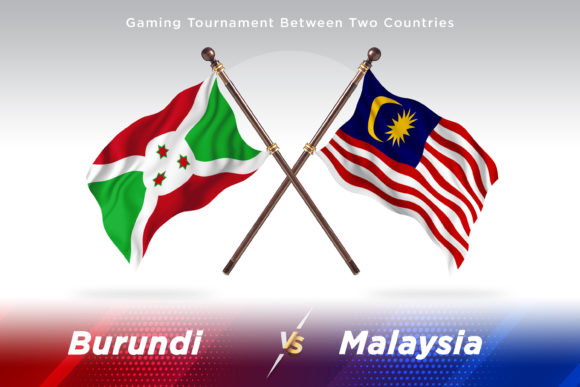
In the world of graphic design, marketing, and educational content creation, having access to high-quality, easily customizable country flags can significantly streamline your workflow. The Burundi Versus Malaysia Two Flags concept illustration offers a professional and versatile solution for designers who want to compare two nations visually. This resource is especially valuable when working on projects that require cultural representation, geopolitical analysis, or branding that involves international elements.
What Is Burundi Versus Malaysia Two Flags?
Burundi Versus Malaysia Two Flags is a premium digital asset featuring the official flags of Burundi and Malaysia in an isolated 3D waving format. These flags are presented on separate layers within a layered PSD file, allowing for individual manipulation and customization. Alongside the PSD, you receive JPEG and PNG versions, making it easy to export and use across different platforms and purposes. Each flag layer is clearly labeled, ensuring a well-organized structure that supports efficient editing and integration into larger designs.
This type of visual comparison tool is ideal for presentations, infographics, website headers, social media posts, and any other medium where a side-by-side representation of national identities is required. It’s not just about showing flags—it's about leveraging them as part of a broader narrative or data visualization strategy.
Where Does This Fit in Your Workflow?
The Burundi versus Malaysia flags illustration can be used at various stages of a project:
- Pre-Project Planning: When designing a presentation or infographic that includes both countries, having these flags ready gives you a solid visual foundation early on. You can start sketching layouts or storyboards with confidence.
- During Execution: As you build your design in Photoshop, the smart object feature allows you to edit the flags without losing quality. Whether resizing for a mobile layout or adjusting colors to match brand guidelines, this flexibility ensures smooth progress.
- Post-Production Use: After finalizing your design, the JPEG and PNG files can be exported quickly and used across digital platforms such as websites, email campaigns, or print materials. The layered PSD also remains useful for future edits or repurposing content.
Integration with Other Tools and Resources
To maximize the utility of Burundi Versus Malaysia Two Flags, consider how it fits into your existing toolkit. Here are some common integrations:
- Adobe Photoshop: The PSD format enables seamless blending with other design elements. You can add text, icons, or background imagery while maintaining the integrity of the flags.
- Graphic Design Platforms: If you work in Figma, Illustrator, or Canva, converting the flags from their original format into compatible assets ensures consistency across your tools.
- Content Management Systems (CMS): The JPEG and PNG files are perfect for embedding directly into WordPress, Squarespace, or Shopify pages. They load efficiently and maintain clarity on screens of all sizes.
- Collaboration Tools: Share the PSD file with team members using cloud-based services like Google Drive or Dropbox. Clear layer names and organization make it easier for others to understand and modify the design.
Practical Implementation Tips
Here are some tips for getting the most out of this flag illustration in your next project:
- Start with Smart Objects: Always begin by editing the flags through the smart object layer to preserve resolution and avoid pixelation during scaling.
- Use Layer Groups: Take advantage of the organized layer structure. Group related elements together for better navigation, especially if you’re adding more visuals later.
- Match Brand Colors: Adjust the flags’ opacity or apply subtle color overlays to align them with your brand palette without distorting the flag itself.
- Consider Cultural Context: Before placing the flags in a design, ensure they are positioned correctly according to international norms and the context of your message.
- Export Strategically: Depending on your needs, choose between JPEG for web use or PNG for transparency. For print, retain the PSD file to ensure high resolution.
Workflow Examples Where This Asset Shines
Let’s look at a few real-world scenarios where the Burundi versus Malaysia flags could enhance your output:
1. Educational Presentations
If you're creating a geography lesson or political science presentation comparing African and Asian nations, these flags provide an instant visual reference point. Place them beside maps, demographic data, or historical timelines to reinforce key points without needing to source images separately.
2. International Business Reports
For marketers analyzing trade routes, investment opportunities, or cultural market differences between Burundi and Malaysia, these flags help break up dense reports and highlight regions under discussion. Their clear separation into layers makes it easy to integrate them into charts or comparative matrices.
3. Website Headers and Banners
When launching a site focused on global partnerships or travel destinations, the flags can serve as part of a header graphic. Use the 3D waving effect to create dynamic banners that capture attention while conveying the right tone.
4. Social Media Content
Whether you're promoting a documentary on East Africa and Southeast Asia or highlighting a product available in both regions, the flags add authenticity and visual interest. Pair them with concise text and relevant hashtags to boost engagement.
Factors to Consider for Optimal Use
Before implementing Burundi Versus Malaysia Two Flags, keep the following factors in mind to ensure compatibility and usability:
- Preparation: Know the dimensions of your final output. Since the flags come in a 4500 x 3000 px size, scale appropriately to maintain detail without unnecessary large file sizes.
- Compatibility: Confirm that your design software supports smart objects and layered PSDs. Most modern tools do, but older versions may lack features needed for full functionality.
- Usability: Test the flags in your target environment—whether it's a PowerPoint slide, a brochure, or a website—to see how they perform under different conditions.
- Organization: Keep the original file intact for future use. Duplicate it before making changes so you can always return to the clean version if needed.
- Efficiency: Use the JPEG/PNG files for quick sharing or prototyping, saving the PSD for detailed editing. This approach saves time and keeps your creative process streamlined.
- Consistency: Maintain consistent sizing and positioning when using multiple flags in a series of designs. This helps establish a cohesive visual identity.
- Quality Control: Check for alignment and spacing after inserting the flags into your composition. Even small inconsistencies can affect the overall professionalism of your work.
- Long-Term Use: Store the PSD in a centralized asset library. This allows you to reuse the flags in future projects, reducing the need to recreate similar assets.
Extending the Concept: Adding More Flags
If your project requires additional flags beyond those included in the Burundi Versus Malaysia Two Flags bundle, you can request custom additions. Many designers and agencies offer flag illustrations or stock photos that can be imported into the same layered PSD file. Ensure that any new flags are provided in a compatible format and placed on their own clearly named layers to maintain the file’s organization.
Using a consistent style—such as matching the 3D waving position and lighting—will help new flags blend naturally with the existing ones. This is especially important for projects where uniformity enhances readability and aesthetics.
Why Choose Isolated Flag Illustrations?
Isolated flag illustrations offer several advantages over traditional stock photos or flat image downloads:
- Design Flexibility: With each flag on its own layer, you can move, resize, or reposition them independently within your design space.
- Professional Quality: The 3D waving effect adds depth and realism, elevating the overall visual appeal of your project.
- Legal Clarity: Official country flags are often subject to specific usage rights. Using a professionally created illustration minimizes potential legal issues associated with unauthorized flag use.
- Time Savings: No need to manually isolate flags from busy backgrounds or search for free assets that might compromise quality or copyright status.
Real-World Applications and Outcomes
Let’s explore a few examples of how users have successfully applied this kind of flag illustration in their workflows:
Case Study: Global Trade Analysis Report
A marketing agency preparing a report on emerging markets in Africa and Asia used the Burundi versus Malaysia flags to represent the two countries in a series of comparative charts. By placing the flags at the top of each section, they helped readers quickly identify which region was being discussed. The result was a more engaging and navigable document that received positive feedback from stakeholders.
Case Study: Travel Blog Redesign
A travel blogger redesigned their homepage to showcase popular destinations in Burundi and Malaysia. They incorporated the flags into a rotating carousel that highlighted key attractions and travel tips. The animated 3D waving effect caught the eye of visitors, increasing page dwell time and click-through rates to destination guides.
Case Study: Academic Poster Presentation
A university student working on a poster about cultural exchanges between African and Asian nations used the flags to frame sections of their research. The layered structure allowed for easy resizing and alignment, ensuring a polished look even under tight deadlines. The poster was selected for display at a regional conference due to its clarity and visual impact.
Getting Started with Burundi Versus Malaysia Two Flags
Integrating the Burundi Versus Malaysia Two Flags illustration into your work doesn’t require advanced skills. Start by opening the PSD in Adobe Photoshop and exploring the layers panel. You’ll find each flag neatly separated, with descriptive names that make identification straightforward.
If you’re unfamiliar with smart objects, take a moment to learn how they work. Simply double-click the smart object layer to enter editing mode, where you can tweak the design without affecting the original artwork. Once you’ve made your adjustments, save the file and export the necessary formats for your project.
For non-Photoshop users, open the JPEG or PNG files in your preferred design tool. While you won’t have the same level of control, you can still achieve great results by using these pre-edited versions as standalone graphics.
Final Thoughts on Practical Integration
The Burundi Versus Malaysia Two Flags illustration is more than just a set of country symbols—it’s a strategic design element that supports clarity, professionalism, and visual storytelling. By understanding how to use it effectively within your workflow, you can save time, reduce errors, and elevate the quality of your outputs whether you're a designer, educator, marketer, or entrepreneur.
As with any design asset, success comes from thoughtful implementation. Consider your audience, purpose, and platform when deciding how to use these flags. And remember, if you need more flags or variations, don't hesitate to ask for customized options that fit your specific needs.