Burundi Versus Malawi Two Flags: A Strategic Visual Tool for Global Context
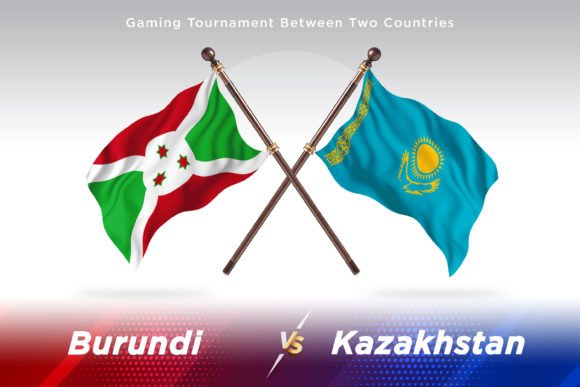
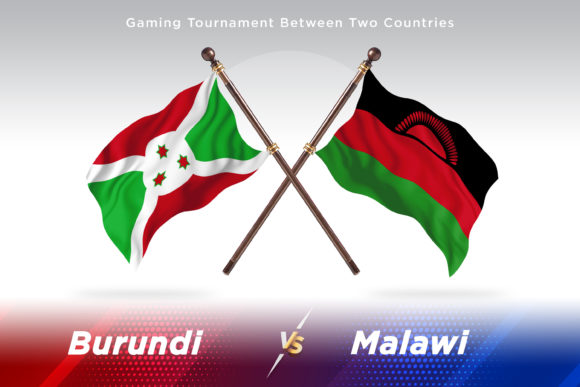
When it comes to global branding, marketing, and strategic planning, visual elements play a crucial role in conveying meaning quickly and effectively. The Burundi Versus Malawi Two Flags concept illustration — featuring the official flags of these two African nations in isolated 3D waving positions — is more than just an artistic representation. It serves as a powerful tool for professionals who need to make informed decisions grounded in cultural awareness, geographic context, and international positioning.
What Is Burundi Versus Malawi Two Flags?
The Burundi Versus Malawi Two Flags illustration typically includes high-resolution versions (PSD, JPEG, PNG) of the national flags of Burundi and Malawi, each placed on its own layer with clear labeling. This format allows for easy customization and integration into various design projects, from presentations and infographics to website banners and educational materials.
Both flags are distinct in symbolism and color schemes:
- Burundi's flag features blue, green, and red vertical stripes with a white star centered at the hoist side. Blue represents peace and water, green symbolizes agriculture and forests, while red stands for bloodshed during the country’s struggle for independence. The white star reflects unity under one God.
- Malawi's flag consists of black, red, and green horizontal stripes with a rising sun in gold at the top. Black signifies the people, red their struggles, green the land and natural resources, and the sun represents hope and progress.
Together, this dual-flag illustration can be used to represent a comparative or contrasting narrative between the two countries — whether in terms of geography, culture, economy, or political development.
Strategic Use in Business and Communication
For entrepreneurs, marketers, and decision-makers working across borders, having a clear visual reference like the Burundi Versus Malawi Two Flags can help reinforce messages related to regional strategy, market differentiation, or cultural alignment. For example, when analyzing investment opportunities in East Africa, using these flags can serve as a visual anchor that helps stakeholders quickly identify and differentiate between regions.
In branding, especially for organizations with a presence in both countries or aiming to expand there, the flags can act as subtle yet effective symbols to build local relevance. When designing marketing campaigns, product packaging, or corporate identities, integrating these flags in a respectful and intentional manner can signal awareness of local values and traditions.
Use Cases for Marketers and Educators
Marketers can use the Burundi Versus Malawi Two Flags in presentations comparing regional consumer behaviors, political climates, or economic policies. By placing the flags side by side, they create a visual metaphor for contrast, which can be useful when highlighting differences in market maturity, regulatory environments, or brand acceptance levels.
Similarly, educators and content creators may find the illustration valuable in teaching about African geopolitics, cultural diversity, or historical developments. The layered format makes it easy to annotate, animate, or overlay data points such as GDP growth, population statistics, or infrastructure projects specific to each nation.
Planning with Purpose: When and How to Deploy the Flags
Before incorporating the Burundi Versus Malawi Two Flags into your work, consider the following factors to ensure strategic value:
- Clarity of Message: Ask yourself what you want the audience to understand. Are you emphasizing similarity, difference, competition, or collaboration? The flags should support the narrative, not distract from it.
- Audience Relevance: If your target audience has a direct interest in Burundi or Malawi — whether through travel, trade, research, or investment — the flags will resonate more effectively.
- Design Integration: With smart objects and well-organized layers, you can easily modify the illustration to fit your project’s needs. Think about how the flags interact with other design elements to maintain balance and readability.
- Cultural Sensitivity: Ensure that the placement, orientation, and styling of the flags align with cultural norms and expectations. Misuse can lead to unintended offense or confusion.
Practical examples include:
- Creating a slide deck for a presentation on East African regional cooperation, using the flags to introduce each country.
- Designing a logo or banner for a multinational NGO operating in both countries, subtly including the flags to show commitment to local communities.
- Producing an infographic that compares key metrics like literacy rates, economic output, or tourism potential between Burundi and Malawi.
Operational Benefits of Using the Flag Illustration
The Burundi Versus Malawi Two Flags illustration offers several operational advantages due to its file formats and structure:
- PSD Format: Provides full control over each element, making it ideal for designers who want to tweak colors, add text, or integrate additional imagery without compromising quality.
- JPEG and PNG Variants: Offer ready-to-use options for web publishing, social media, or print materials where layered editing isn’t necessary but visual accuracy is key.
- Smart Object Layers: Enable quick edits while maintaining resolution integrity, which is essential for professional-grade outputs.
These technical features mean you can deploy the illustration across multiple platforms efficiently. Whether you’re building a pitch deck for investors or preparing a report for internal stakeholders, the ability to customize the image ensures it fits seamlessly into your workflow and supports your objectives.
Decision-Making Guidance: Intentional vs. Random Use
One common pitfall is using the Burundi Versus Malawi Two Flags illustration without a clear purpose. While it might seem like a simple way to add “global flair” to a design, doing so randomly can dilute your message and confuse your audience. Instead, approach its use strategically by asking questions like:
- “Does this illustration help explain a regional comparison?”
- “Will my audience recognize and relate to these flags?”
- “Am I using them to reinforce a point or just for decoration?”
Consider the context in which the flags appear. In a customer experience strategy focused on East African markets, showing both flags could highlight the importance of localized approaches. But if the focus is solely on one country, adding the second flag without justification may mislead or reduce clarity.
Long-Term Value and Learning Outcomes
Using the Burundi Versus Malawi Two Flags illustration can also support long-term learning outcomes. For instance, students and researchers can benefit from seeing the flags in a controlled, scalable environment. Designers can learn how to handle complex vector graphics and smart object layers, improving their skill set for future projects involving multiple flags or cultural symbols.
Freelancers and small business owners might store the illustration as part of a resource library for future use in client projects. Its versatility means it can be adapted for different industries, from travel and tourism to non-profit advocacy and academic publishing.
Risks of Improper Use and Mitigation Strategies
While the Burundi Versus Malawi Two Flags illustration is a valuable asset, misuse can undermine its effectiveness. Some risks include:
- Lack of Context: Displaying the flags without explanation may leave audiences puzzled about their significance or relevance.
- Cultural Misinterpretation: Incorrect handling or styling of the flags could be seen as disrespectful or insensitive.
- Distracted Messaging: Overloading a design with too many flags or elements can shift focus away from the core message you want to convey.
To mitigate these risks, always validate the purpose behind including the flags. Conduct brief research into the cultural meanings and appropriate usage guidelines. Work with local experts or native speakers if needed, especially when creating content for public consumption in those regions.
Enhancing Creativity and Productivity
From a creative standpoint, the Burundi Versus Malawi Two Flags illustration opens up new possibilities. You can experiment with dynamic layouts, animated transitions, or interactive elements in digital formats. For productivity, the smart object functionality saves time by allowing quick adjustments — particularly useful when repurposing content for different platforms or clients.
Here’s a practical tip: Use the illustration as a base for mockups of products or services designed for East African markets. Whether it’s a mobile app interface, a service brochure, or a training manual, the flags can help establish a sense of place and relevance early in the design process.
Branding and Positioning Considerations
For brands looking to position themselves within the East African region, the Burundi Versus Malawi Two Flags can be a meaningful inclusion. However, it’s important to avoid tokenism. Simply placing the flags next to a logo doesn’t guarantee local acceptance or understanding. Instead, pair the visual with substantive content that demonstrates respect for the countries’ histories, cultures, and current realities.
Consider using the illustration in storytelling contexts. For example, a company expanding into Burundi might create a case study titled “Burundi Versus Malawi: Adapting Strategies for Success.” The flags can then serve as recurring visual motifs throughout the piece, reinforcing the theme without overwhelming the reader.
Conclusion: Making Better Decisions with Visual Clarity
The Burundi Versus Malawi Two Flags illustration is a versatile and valuable asset when used with intention. It provides visual clarity, reinforces regional identity, and enhances communication in a wide range of professional settings. However, its impact depends on thoughtful planning and execution. Align its use with your goals, understand the cultural context, and leverage its technical flexibility to achieve better results in your designs and strategies.
By treating the illustration as more than just a graphic, but as a component of a larger, goal-oriented plan, you can turn a simple image into a powerful tool for decision-making, branding, and cross-cultural engagement.