Burma Versus Cuba: A Comparative Flag Illustration for Designers and Educators
When it comes to understanding the visual representation of nations, flags play a crucial role. They are not just symbols; they tell stories of history, culture, and identity. The Burma Versus Cuba Two Flags concept illustration is an excellent tool for those who want to explore the differences between these two countries in a clear and visually engaging way. This article dives into what this design entails, how it can be used, and why it might be valuable to various professionals and creatives.
What Is Burma Versus Cuba Two Flags?
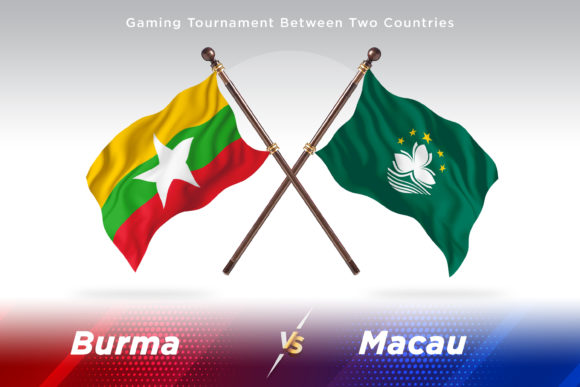
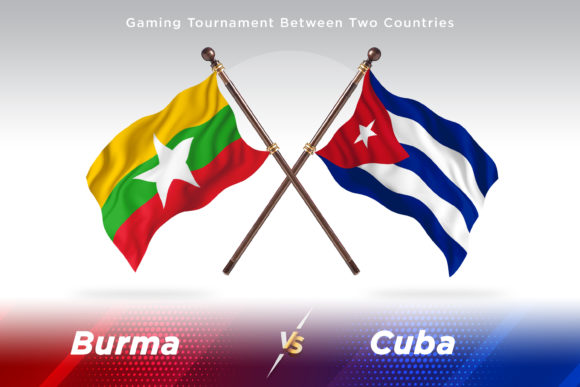
The Burma Versus Cuba Two Flags is a high-resolution digital illustration that juxtaposes the official country flags of Burma (Myanmar) and Cuba in a side-by-side format. It’s designed to help users quickly recognize and compare the distinct elements of each flag, such as colors, symbols, and layout. The illustration features both flags in a 3D waving position, making them stand out against an isolated background. This setup ensures clarity and focus, especially when used for educational or creative purposes.
Key Features of the Illustration
- Isolated Background: Each flag is placed on its own layer with no distractions from the background, making it ideal for presentations, posters, or infographics.
- High-Resolution Files: The bundle includes one PSD file (4500 x 3000 px), along with JPEG and PNG formats, ensuring compatibility across different platforms and devices.
- Smart Object Layers: The design is editable via smart objects, allowing users to customize colors, add text, or integrate additional graphics without losing quality.
- Well-Organized Layers: Every element of the flags is neatly labeled and separated, which simplifies editing and enhances user experience for designers at all skill levels.
- Customization Options: If other flags need to be added or modified, the creator encourages users to request additional assets tailored to their needs.
Who Can Benefit from Using This Resource?
This illustration isn’t just for graphic designers—it serves a wide range of users. Here are some key groups that may find it particularly useful:
1. Educators and Students
In classrooms or online learning environments, the Burma Versus Cuba Two Flags illustration can be a powerful teaching aid. Geography teachers, for instance, can use it to highlight the cultural and political contrasts between the two countries. Students studying international relations or global cultures can also benefit from having a clear visual reference to support their research and projects.
2. Content Creators and Bloggers
For those who create content related to travel, politics, or world affairs, this illustration adds a professional touch to articles and social media posts. Visual comparisons like these make complex topics more accessible and engaging for audiences. Whether you're discussing historical events or current geopolitical issues, using flags can instantly connect your message to real-world locations.
3. Business Owners and Marketers
If you’re targeting markets in Southeast Asia or Latin America, understanding the national symbols of your audience is essential. The Burma versus Cuba comparison could be used in branding materials, marketing campaigns, or even product packaging to reflect cultural awareness and inclusivity.
4. Graphic Designers and Artists
Designers working on global-themed projects will appreciate the flexibility and clarity offered by this resource. With smart object layers and high resolution, it's easy to integrate into larger compositions or modify to fit specific project requirements. The ability to isolate each flag makes it suitable for logos, website headers, or promotional banners.
Where Can You Use This Illustration?
The versatility of the Burma versus Cuba two flags illustration allows it to be applied in numerous contexts:
- Presentations: When comparing regions or discussing international topics, the flags provide a quick visual cue.
- Educational Materials: Teachers can include this image in slideshows, handouts, or interactive maps to enhance student comprehension.
- Web Design: The JPEG and PNG versions are perfect for embedding directly into websites or landing pages.
- Print Media: High-resolution prints ensure that the illustration remains crisp and clear on posters, brochures, or reports.
- Social Media Graphics: Use the flags to create eye-catching posts about global events, news, or travel tips.
Strengths and Practical Considerations
One of the major strengths of this illustration is its simplicity and clarity. By focusing only on the flags of Burma and Cuba, it avoids overwhelming the viewer with too much information. However, there are a few things to consider before using it in your projects:
- Accuracy: Ensure that the flags displayed are the most up-to-date and officially recognized versions. While the illustration is based on accurate sources, it's always good to double-check if the design is being used for formal or academic purposes.
- Contextual Use: Be mindful of the context in which you present the flags. In some cases, the political or cultural connotations of a country’s flag may require additional explanation to avoid misinterpretation.
- File Compatibility: The PSD format is great for advanced editing, but if you're using basic design tools, the JPEG and PNG files may be more convenient.
Real-World Applications
Let’s look at some scenarios where the Burma versus Cuba two flags illustration can be put to practical use:
Scenario 1: Creating a Travel Guide Comparison
A travel blogger wants to write an article comparing the unique aspects of visiting Burma and Cuba. They use the illustration as the header image to immediately show the difference in national identity between the two destinations. The clean, isolated background allows the flags to serve as a focal point while remaining unobtrusive to the reader.
Scenario 2: Classroom Teaching Aid
A geography teacher uses the Burma versus Cuba two flags illustration during a lesson on Southeast Asia and the Caribbean. The flags are projected onto a whiteboard, and students are asked to identify the colors and symbols associated with each country. The layered structure of the PSD file allows the teacher to annotate the flags directly in Photoshop, reinforcing the lesson with real-time visual feedback.
Scenario 3: Marketing Campaign for Global Products
A company launching a new line of globally inspired coffee blends creates a poster featuring the Burma versus Cuba two flags illustration. The flags represent the origins of the beans used in each blend. The smart object feature lets the designer easily change the color scheme to match the brand’s palette, ensuring a seamless integration of the flags into the overall design.
Evaluating Suitability for Your Project
Before incorporating the Burma versus Cuba two flags illustration into your work, ask yourself the following questions:
- Do I need a high-resolution asset for print or digital display?
- Will my audience benefit from a direct visual comparison of these two countries?
- Am I comfortable using Adobe Photoshop to edit the smart objects, or do I need a simpler format like JPEG or PNG?
- Are there any cultural or political sensitivities I should be aware of when using these flags?
By answering these questions, you’ll determine whether this illustration is the right choice for your needs. For example, if you’re creating a logo for a business that operates in both countries, this illustration could be adapted to show a fusion of the two flags. On the other hand, if you’re looking for a broader set of flags, you can request additional ones to expand the scope of your design.
Conclusion
The Burma Versus Cuba Two Flags illustration is more than just a visual comparison—it’s a tool that can enrich your understanding of global identities and enhance your design projects. Whether you're an educator, a designer, or simply someone interested in world cultures, this resource offers value through its clarity, adaptability, and attention to detail. As long as you consider the appropriate context and usage, it can be a helpful addition to your workflow. So next time you're looking for a clean and informative way to showcase national symbols, remember that this illustration has got you covered—literally.