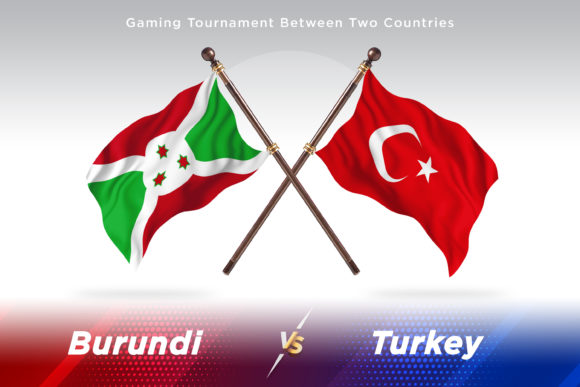
Burundi Versus Turkey Two Flags
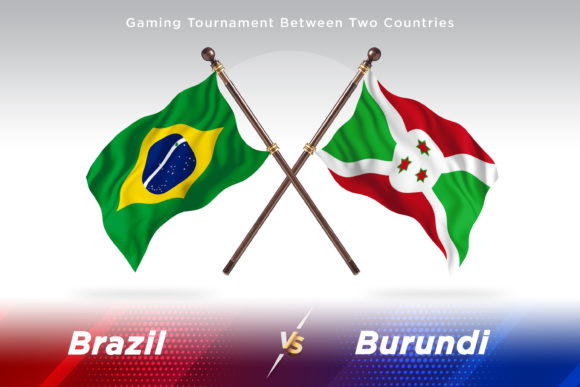
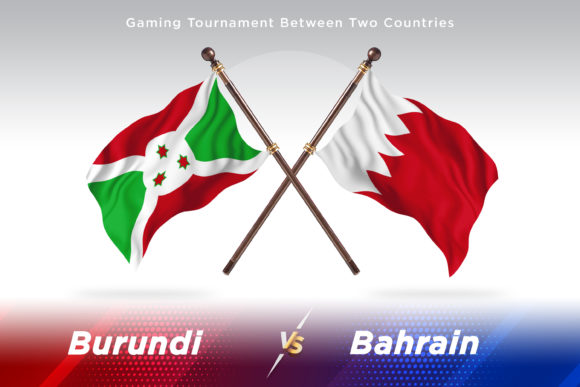
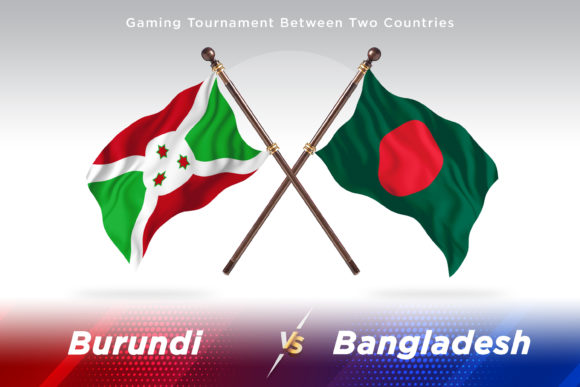
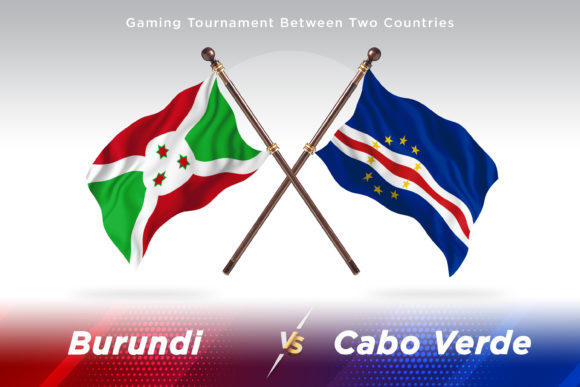
When it comes to visual design, especially in contexts that involve international representation or comparative storytelling, the Burundi Versus Turkey Two Flags concept offers a powerful and engaging way to highlight differences and similarities between two distinct nations. This design bundle features high-quality, officially accurate flags of Burundi and Turkey, each isolated on its own layer within a 3D waving position. Whether you're creating presentations, marketing materials, educational content, or editorial designs, this resource provides flexibility and clarity for professionals who need to incorporate country flags effectively.
Real-World Applications of the Burundi Versus Turkey Two Flags Design
The Burundi Versus Turkey Two Flags illustration isn't just about aesthetics; it's a practical tool for designers, educators, marketers, and analysts who work with global data or narratives. Here are some of the most common use cases where this type of design can be particularly useful:
- Comparative Studies: Teachers and students often require visual aids when comparing political systems, cultures, or economic indicators. Having the flags of Burundi and Turkey side by side can serve as an anchor point for discussions, making abstract concepts more tangible.
- Political and Diplomatic Presentations: In government or diplomatic communications, flag visuals help clarify alliances, rivalries, or regional dynamics. The Burundi vs. Turkey setup could be used to illustrate historical ties, current relations, or cultural exchanges between these two countries.
- Travel Industry Content: Travel agencies, tour operators, or bloggers may use this design to create infographics or promotional banners highlighting travel routes, cultural contrasts, or destination comparisons between East Africa and Southeastern Europe.
- International Business Reports: When analyzing markets or partnerships across continents, placing the flags of Burundi and Turkey together helps stakeholders quickly identify the regions involved. It’s a subtle yet effective way to reinforce geographical context without cluttering the design.
Who Can Benefit from Using This Flag Illustration?
This resource is tailored for a wide range of users, but certain professions will find it especially valuable:
- Graphic Designers: With smart object layers and a well-organized PSD file, designers can easily customize the illustration to fit their branding needs. You can resize, recolor, or reposition the flags without losing quality, which makes it ideal for logos, headers, or promotional graphics.
- Content Creators: Bloggers, YouTubers, and social media managers working on topics like geopolitics, culture, or travel might integrate this visual into their posts to enhance viewer engagement and comprehension.
- Marketing Professionals: If your campaign involves cross-cultural messaging or international outreach, using the Burundi versus Turkey flags in a visually striking format can add a professional touch to your collateral.
- Educational Institutions: Schools and universities frequently need illustrative materials for geography, history, or language courses. These flags can serve as part of larger diagrams, posters, or interactive learning tools.
How to Use the Burundi Versus Turkey Two Flags in Your Projects
Thanks to the inclusion of both JPEG and PNG formats, along with a high-resolution PSD file, this design is ready for multiple applications. Here’s how different users can take advantage of its features:
- Designers Working with Adobe Photoshop: The layered PSD allows for precise editing. You can adjust lighting, background elements, or even replace the flags if needed—though they’re already accurately represented. Smart objects ensure that scaling and transformations don’t compromise the image quality.
- Presenters and Report Writers: Simply drag the JPEG or PNG into PowerPoint, Google Slides, or any other presentation software. The clean, isolated background ensures the flags remain the focal point, whether you're presenting to a boardroom or classroom.
- Web Developers: For digital projects, the PNG format works best due to its transparency. Place the flags over custom backgrounds or animations to match the tone of your website or web application.
For instance, a designer working on a documentary about African and Eurasian trade routes could use the Burundi vs. Turkey flag illustration to emphasize the connection between these distant regions. A marketing team promoting a new international partnership might showcase the flags in a banner ad to symbolize unity and collaboration. The possibilities are vast, and the design adapts well to both modern and traditional media formats.
Considerations Before Choosing the Burundi Versus Turkey Two Flags Resource
While the Burundi Versus Turkey Two Flags bundle is versatile, there are a few key considerations to keep in mind before incorporating it into your workflow:
- Accuracy Matters: Since this is based on official country flags, it’s crucial that the colors, proportions, and symbols are correct. Fortunately, the design has been crafted with attention to detail, ensuring compliance with international standards.
- Layer Organization: The PSD file is structured clearly, allowing for easy navigation. However, if you're not familiar with Photoshop layer management, you might want to review the file structure first or reach out for guidance on specific edits.
- File Size and Resolution: At 4500 x 3000 pixels, the design is optimized for print and digital use alike. But if you plan to embed it in a mobile-responsive site or app, make sure to compress the final output appropriately without sacrificing legibility.
Another important consideration is the intended message. Are you emphasizing contrast or harmony? The positioning and style of the flags can subtly influence how the audience perceives the relationship between the two countries. This makes it essential to choose the right composition depending on your purpose.
Strengths and Limitations of the Burundi Versus Turkey Two Flags Concept
One of the biggest strengths of this design is its adaptability. Because the flags are isolated on individual layers, you can manipulate them independently—adjusting size, angle, color balance, or adding effects like shadows or motion blur. This level of customization is rare in stock illustrations and adds significant value for creative professionals.
Additionally, the use of 3D waving positions gives the flags a dynamic feel, making them stand out compared to static flat images. This realism enhances the visual appeal and makes the design suitable for high-end presentations or professional publications.
However, there are some limitations worth noting. While the design includes flags for Burundi and Turkey, it doesn’t cover all possible combinations. If your project requires flags from other countries, you’ll need to source those separately or request additional ones. That said, many providers offer options to expand the collection, so it's always good to ask if more flags are available.
Observations from Real-World Usage
In practice, the Burundi Versus Turkey Two Flags illustration has been used in several impactful ways. One example is in a university seminar on post-colonial development, where the flags were placed beside maps and charts to show how each country evolved differently after independence. Another case involved a startup developing an app for travelers interested in cultural immersion, who used the flags as part of a “Compare Destinations” feature.
What users consistently appreciate is the ease of integration. Unlike generic stock photos, where flags might be low resolution or improperly scaled, this design arrives ready to use. It’s also helpful that the flags come with proper names labeled, reducing the risk of misidentification in multilingual or multicultural environments.
Still, some users have noted that while the design is excellent for showing flags side by side, it may not be the best choice for complex infographics involving more than two countries. In such cases, reaching out for additional flags or considering alternative layouts becomes necessary.
Practical Examples of the Burundi Versus Turkey Two Flags in Action
To better understand the real-world utility of this design, let’s look at a few scenarios where it could be applied:
- Case Study: International Trade Analysis – A business analyst created a report comparing agricultural exports from Burundi with energy exports from Turkey. By including the flags in the header of each section, the document became more visually organized and easier to navigate.
- Case Study: Cultural Awareness Campaign – A nonprofit organization used the flags in a poster series to promote understanding between Eastern and Western communities. The design helped establish a clear visual identity for the campaign.
- Case Study: Language Learning Tool – An online platform teaching Swahili and Turkish languages integrated the flags into flashcards and quizzes, helping learners associate the visual with the spoken and written language.
These examples demonstrate how the Burundi Versus Turkey Two Flags illustration can go beyond simple decoration and become a meaningful component of a larger narrative or strategy.
Customization and Collaboration Opportunities
Because the design is built with smart objects, collaborating with others becomes seamless. Team members can modify the flags or background without affecting the integrity of the original artwork. This is especially beneficial in fast-paced environments where quick iterations are necessary.
Moreover, the option to request additional flags means that teams can tailor the design to meet evolving project needs. Imagine preparing a presentation for a global summit where representatives from over a dozen countries are present—being able to build upon the existing Burundi vs. Turkey layout with more flags can save time and maintain consistency throughout the visual assets.
Why Choose the Burundi Versus Turkey Two Flags?
If you're looking for a reliable and scalable solution to represent two countries visually, the Burundi Versus Turkey Two Flags illustration is a solid choice. Its realistic 3D rendering, combined with the convenience of layered files and transparent PNG options, makes it adaptable to a variety of platforms and purposes.
Whether you're crafting a compelling infographic, designing a logo for a global event, or simply enhancing your educational materials, this design offers a clean, professional, and customizable foundation. It’s a small asset that can carry big meaning, especially when used thoughtfully in the right context.
Ultimately, the success of this illustration lies in how it supports your message. Used correctly, it can turn a basic comparison into a visually rich experience that captures attention and communicates ideas clearly.