Burundi Versus Swaziland Two Flags
When it comes to visual storytelling, country flags are more than just symbols of identity—they're powerful tools for communication. The Burundi Versus Swaziland Two Flags design offers a unique and compelling way to represent these two African nations in a single, creative composition. Whether you're a designer, marketer, educator, or content creator, this illustration can serve as the foundation for a wide range of projects that blend geography, culture, and modern aesthetics.
What Makes This Design Unique?
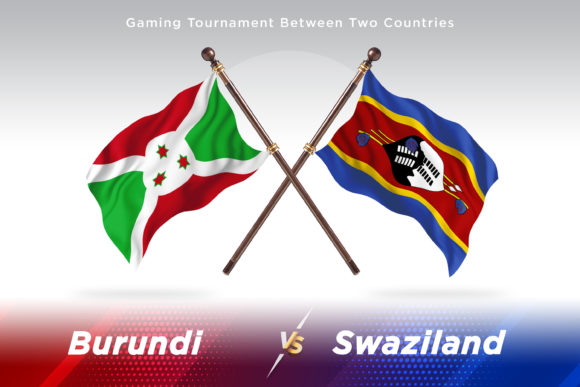
The Burundi versus Swaziland flags illustration is not your typical flat graphic. It’s a high-resolution 3D concept showing two official national flags waving in motion against an isolated background. Each flag is placed on its own layer, clearly labeled with the country name, making customization straightforward. The package includes:
- A PSD file (4500 x 3000 px) for full editing capabilities.
- A JPEG version for quick use in presentations or print materials.
- A PNG file with a transparent background, perfect for digital overlays or web graphics.
- Smart object layers allow you to easily replace colors, shapes, or even add new elements without losing quality.
- Well-organized layers ensure clarity and ease when working on complex designs.
This attention to detail makes the design both versatile and professional, suitable for users who want to create something meaningful yet polished quickly.
Creative Possibilities with Burundi and Swaziland Flags
Flags often serve as the first point of recognition for countries, especially in global contexts like travel, sports, education, or business. The Burundi versus Swaziland illustration opens the door to numerous creative uses:
1. Comparative Designs
Use the two flags side by side to highlight cultural, political, or economic contrasts between Burundi and Eswatini (formerly known as Swaziland). This could be part of a presentation, infographic, or educational poster discussing topics like:
- Geographical differences and similarities.
- Historical relationships and regional influences.
- Economic development and trade partnerships.
With smart objects, you can adjust spacing, orientation, or add supporting text directly into the layout, ensuring your message is clear and visually engaging.
2. Travel and Tourism Concepts
If you're creating content related to East and Southern Africa, this illustration can help set the tone. For example, you might pair the flags with maps, landmarks, or cultural motifs from each country to:
- Design travel brochures or blog headers.
- Create social media posts promoting dual-country tours or itineraries.
- Develop infographics about language, cuisine, or traditions unique to each nation.
The dynamic wave of the flags adds a sense of movement and life, which is especially useful for travel-related content aiming to evoke curiosity and adventure.
3. Branding and Identity Work
For organizations or businesses with ties to both countries, using their flags can help build brand identity. You could incorporate the flags into:
- Logo mockups or brand guidelines.
- Corporate reports or presentations highlighting regional operations.
- Sponsorship banners for events involving both nations.
By isolating each flag on its own layer, you have complete control over how they interact with other design elements—ensuring consistency and clarity in your branding efforts.
Adapting the Design for Different Audiences and Goals
Depending on your audience and purpose, the way you present the Burundi versus Swaziland flags can vary significantly. Here are some tailored approaches:
For Educators and Students
Teachers and students can use the illustration as a teaching tool. By overlaying historical facts, timelines, or geographical data onto the flags, you can create interactive learning materials. Think of it as a visual anchor for lessons on:
- Colonial history and independence movements.
- Comparative government structures.
- Language and cultural diversity in Africa.
Using the PSD format, educators can customize the flags’ positions or integrate them into larger educational posters or slide decks.
For Marketers and Bloggers
In marketing and content creation, visuals need to catch attention fast. Use the flags to introduce articles, case studies, or campaigns focused on:
- Regional investment opportunities.
- Nonprofit work in Burundi and Eswatini.
- Cultural exchange programs or international collaborations.
Consider placing the flags at the top of a blog post or using them in carousel ads to emphasize a cross-border theme. The transparent PNG format works well here, allowing the flags to sit neatly above other background images or textures.
For Designers and Freelancers
As a designer, the ability to edit via smart objects means you can adapt the illustration quickly for client needs. You might use it as a base for:
- Website header sections with custom color schemes.
- Printable merchandise like T-shirts, mugs, or posters.
- Infographics or data visualizations where the flags represent different regions or demographics.
Keep your edits consistent with the original style to maintain professionalism while tailoring the look to suit your project's specific goals.
Expanding the Concept: Adding More Flags
While the current bundle features only Burundi and Eswatini, the structure of the design makes it easy to expand. If you’re comparing multiple countries, consider adding flags from neighboring states such as Rwanda, Tanzania, or South Africa. The layered setup allows for seamless integration, maintaining organization and scalability.
Here’s how to do it effectively:
- Identify the flags you need and source high-quality vector files.
- Import them into the PSD file and align them using the same styling and spacing as the existing flags.
- Edit smart objects if necessary to match the lighting, shadows, or perspective of the illustration.
- Label each layer clearly to preserve the design’s usability for future edits.
This flexibility ensures the illustration remains relevant across a broader scope of projects, whether you're expanding a regional comparison or designing for a pan-African initiative.
Realistic Applications Across Formats and Platforms
One of the greatest strengths of the Burundi versus Swaziland Two Flags illustration is its adaptability across formats and platforms. Let’s explore a few realistic scenarios:
Web Banners and Headers
For websites or landing pages targeting African markets or diaspora communities, the flags can act as subtle but impactful visual cues. They signal relevance and familiarity, helping to connect audiences emotionally and culturally.
Social Media Graphics
On platforms like Instagram, Facebook, or LinkedIn, the illustration can be cropped and styled differently depending on the platform’s requirements. A vertical crop may suit Instagram Stories, while a horizontal layout fits better for Twitter or LinkedIn posts.
Print Materials
Brochures, flyers, and posters benefit from the JPEG and PNG versions included in the bundle. These formats ensure crisp, clean prints suitable for professional-grade outputs. When printing, always check color profiles and resolution settings to maintain fidelity.
Ensuring Clarity and Consistency in Your Use
Even with a visually appealing illustration, it’s essential to keep your message clear and consistent. Here are a few tips to help you make the most of the Burundi versus Swaziland flags design:
- Balance the layout: Make sure the flags are positioned in a way that supports your main message rather than overshadowing it.
- Use complementary colors: Match the flags with background hues that enhance readability and focus.
- Maintain hierarchy: If you're including additional text or icons, arrange them so the flags remain the focal point.
- Stay organized: Keep layers named and grouped properly, especially if you plan to hand off the file to a colleague or reuse it later.
These small adjustments can significantly improve the effectiveness of your final design, making it more user-friendly and visually harmonious.
Original Ideas and Inspiration
Here are some fresh ideas for using the Burundi versus Swaziland flags in creative ways:
Flag-Based Storytelling Series
Start a blog series or video content where each episode focuses on one flag, exploring its symbolism, history, and meaning. The flags can appear as a recurring visual motif, subtly reinforcing the theme of national identity and pride.
Interactive Digital Posters
Design an interactive poster using HTML/CSS where clicking on each flag reveals key facts about the country. The illustration can be used as the central image, with hotspots linked to informative pop-ups or animations.
Minimalist Logo Mockups
Pair the flags with simple geometric shapes or abstract backgrounds to create minimalist logo concepts for NGOs, startups, or event organizers interested in African themes. The contrast between the bold flags and clean layouts can yield striking results.
Event Invitations and Badges
For international summits, conferences, or cultural festivals involving representatives from Burundi and Eswatini, the flags can be integrated into invitations, badges, or seating charts. Their presence adds authenticity and visual appeal.
Final Thoughts
The Burundi versus Swaziland Two Flags illustration is more than just a graphic—it's a gateway to thoughtful, impactful design. With its layered structure, high resolution, and real-world applications, it empowers creators to communicate complex ideas with simplicity and elegance. Whether you're building awareness, crafting a brand, or sharing knowledge, this resource gives you the flexibility to do so creatively and professionally.
So next time you're working on a project that needs a touch of global flair, consider how these flags can bring clarity, context, and inspiration to your work. And remember—if you need to include more flags beyond Burundi and Swaziland, don’t hesitate to request them. Expanding your palette can unlock even more possibilities.