Brazil Versus Switzerland: A Visual Journey Through Their National Flags and the Power of Flag Illustrations
Understanding the Symbols: Brazil’s and Switzerland’s National Flags
National flags are more than just colorful pieces of cloth; they represent the identity, history, and values of a country. The flag of Brazil and the flag of Switzerland each tell their own unique story through design and symbolism.
The Flag of Brazil: A Canvas of Unity and Heritage
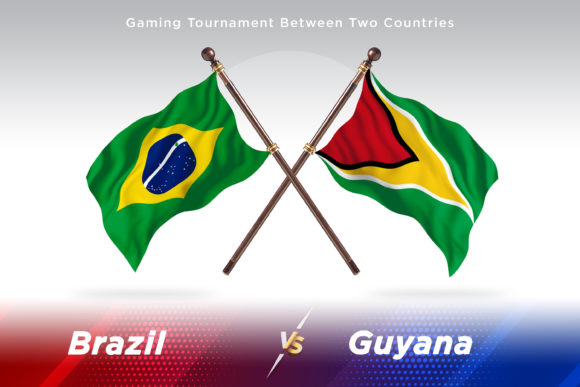
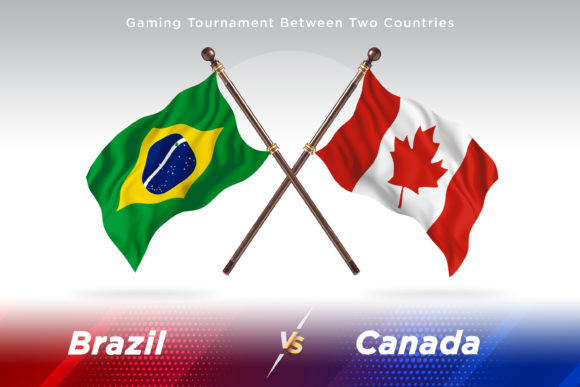
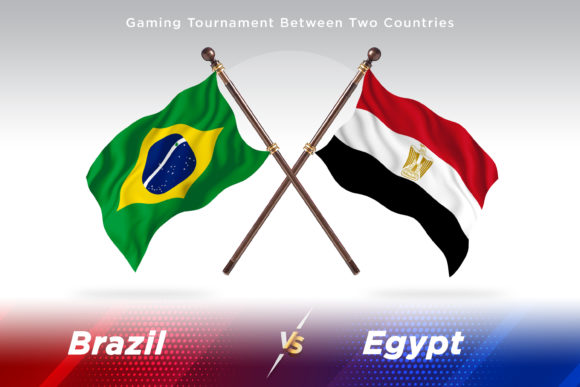
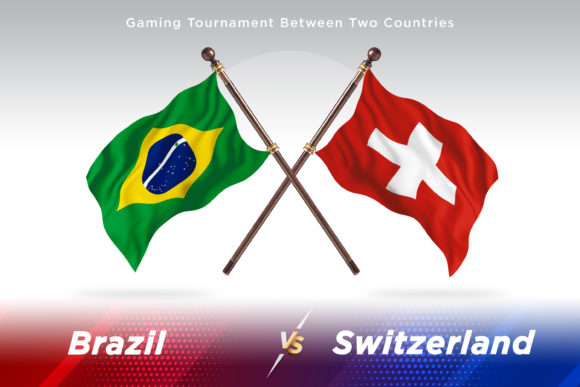
The Brazilian flag is a striking combination of colors and celestial imagery. It features a green field with a large yellow diamond in the center, inside which is a blue circle containing 27 white five-pointed stars and a white band with the national motto "Ordem e Progresso" (Order and Progress) in bold letters. Each element has meaning:
- Green symbolizes the House of Bragança, the royal family that once ruled Brazil.
- Yellow represents the gold found in the country's mines.
- Blue reflects the sky over Rio de Janeiro on November 15, 1889, when the current republic was proclaimed.
- The stars depict the night sky at the same time and place, with each star representing a state or territory.
This design not only serves as a national emblem but also as a visual narrative of Brazil’s rich past and its aspirations for the future.
The Flag of Switzerland: Simplicity and Strength
In stark contrast to the complexity of the Brazilian flag, the Swiss flag is known for its simplicity and elegance. It consists of a white cross centered on a red square background. This design is one of the oldest in Europe and dates back to the 14th century. The cross symbolizes the Christian faith, while the red background represents bravery and valor.
The Swiss flag is often used in international contexts due to its neutrality and clarity. Its design is so distinctive that it can be easily recognized from afar, making it ideal for use in global diplomacy and peacekeeping efforts.
Flags in Isolation: The Role of Design in Modern Contexts
When creating digital content, illustrations, or graphic designs involving multiple national flags, having them isolated on their own layers becomes essential. This technique allows for greater flexibility and precision in editing, especially when designing for presentations, websites, posters, or educational materials.
Why Use Isolated Flag Layers?
Using individual layers for each flag offers several advantages:
- Customization: You can easily resize, reposition, or adjust the transparency of each flag without affecting others.
- Clarity: Isolated flags prevent overlapping or distortion, ensuring each one remains visually accurate.
- Professionalism: Clean layering makes your final product look polished and well-organized, whether it's for branding, marketing, or academic purposes.
Creating Waving Flag Illustrations in 3D
A 3D waving position illustration brings static flags to life, simulating movement and depth. These types of visuals are particularly popular in modern graphic design because they add dynamism and realism to any project. When you have flags like Brazil’s and Switzerland’s rendered in 3D and made to appear as if they're waving, it creates an engaging atmosphere that resonates with audiences worldwide.
Applications of 3D Waving Flag Designs
Such illustrations are widely used in various industries:
- Education: Teachers and educators use these visuals to teach geography, culture, and political science in a more interactive way.
- Marketing: Companies leverage waving flags in promotional materials to showcase global reach or cultural inclusivity.
- Entertainment: In films, games, and animations, waving flags help set the scene and evoke patriotism or unity.
- Business: Multinational corporations use them in presentations to highlight partnerships or regional offices.
These designs are especially valuable when working with high-resolution formats such as PSD files, where every detail can be fine-tuned for optimal results.
File Formats and Smart Objects: Enhancing Creativity
Designers today work with a variety of file formats depending on the needs of their projects. For example, the Brazil versus Switzerland two flags concept might come with a comprehensive package including:
- 1 PSD File (4500 x 3000 px): Ideal for detailed editing and customization. With smart objects enabled, you can scale and modify the flags without losing quality.
- 1 JPEG File: Perfect for web use or quick sharing due to its compressed format and broad compatibility.
- 1 PNG File: Best suited for print or transparent backgrounds, offering high-quality resolution and clarity.
Smart Objects: A Game-Changer for Designers
One of the most powerful features in Adobe Photoshop is the use of smart objects. When a flag is embedded as a smart object within a PSD file, it becomes non-destructive, allowing you to apply transformations, filters, and effects without compromising the original image data. This is especially useful when you want to maintain the integrity of the official country flags while integrating them into complex compositions.
Well-Organized Layers: Streamlining the Design Process
Having well-organized layers is crucial when dealing with multi-flag illustrations. Each flag being on its own layer means you can manipulate them independently, which is helpful when aligning them, adjusting lighting effects, or applying shadows. This level of control ensures your final composition looks professional and cohesive.
For instance, if you’re creating a flags versus background illustration, separating the flags from the background allows you to experiment with different color schemes or textures behind each flag. This is important for emphasizing contrast and drawing attention to specific elements in your design.
Expanding Your Collection: Adding More Flags
While the Brazil versus Switzerland two flags bundle may include just those two, there are countless other official country flags that could enhance your illustration. If you need additional flags not included in the original package, don’t hesitate to request them. Expanding your collection enables you to create more diverse and globally inclusive visuals.
Some popular flags to consider adding include:
- United States: Red, white, and blue stripes with 50 stars.
- Japan: A white background with a red circle in the center.
- South Africa: A horizontal tricolor with a diagonal arrangement of colors and a central emblem.
By incorporating a wider range of flags, you can turn a simple comparison into a rich, informative visual experience.
Practical Relevance in Today’s Digital World
In our interconnected world, understanding and using national flags correctly is more important than ever. Whether you're designing a website, preparing a presentation, or creating social media content, the correct representation of flags can make a significant difference in how your message is received.
Examples of Real-World Usage
Consider a multinational business event where representatives from all over the globe gather. A flags versus background illustration could serve as the backdrop for a keynote speech, helping to visually reinforce the theme of global collaboration. Similarly, a school classroom project about countries around the world might benefit from a 3D waving flag design to capture students’ attention and spark curiosity.
Flag illustrations are also commonly used in infographics, travel brochures, and cultural exhibitions to provide a visual shorthand for each nation’s identity. They can even be integrated into user interface (UI) design for language selection menus or location-based features in apps and websites.
Common Misunderstandings About Flag Usage
There are some common misconceptions when it comes to using flags in design:
- Misconception 1: Any flag can be altered freely. Reality: Many flags are protected by law and should not be modified without permission.
- Misconception 2: Flags are only for patriotic or governmental use. Reality: They are also tools for education, tourism, and creative expression.
- Misconception 3: High-resolution isn't necessary for digital displays. Reality: While smaller sizes may suffice for online viewing, larger resolutions are essential for print or high-detail zoom-ins.
Being aware of these nuances helps ensure that your designs are respectful, accurate, and effective.
How to Get Started with Flag Illustrations
If you're new to using flag illustrations in your projects, here are some tips to help you begin:
- Acquire high-quality assets: Look for bundles that offer official flags in 3D waving positions with layered PSD files.
- Use smart objects: This will allow you to edit flags without affecting their quality or original structure.
- Experiment with layouts: Try placing flags against different backgrounds to see what works best for your message.
- Stay organized: Keep your layers labeled clearly to avoid confusion during the editing process.
- Request missing flags: Don’t limit yourself to the ones provided—explore the full spectrum of global flags to enrich your design.
With these strategies in mind, you’ll be able to create compelling, informative, and visually appealing flag illustrations that resonate with your audience.
Conclusion: Embracing Global Identity Through Design
From the vibrant symbolism of the Brazilian flag to the minimalist strength of the Swiss flag, national flags offer a window into the soul of a country. When designers take the time to understand and properly utilize these symbols—especially through techniques like 3D waving positions and layered PSD files—they not only produce stunning visuals but also foster a deeper connection with people from all walks of life.
Whether you're working on a small project or something large-scale, the right flag illustration can elevate your work and convey messages of unity, diversity, and respect. So next time you see a flag, remember: it’s more than just a piece of fabric—it’s a powerful tool for storytelling and design.